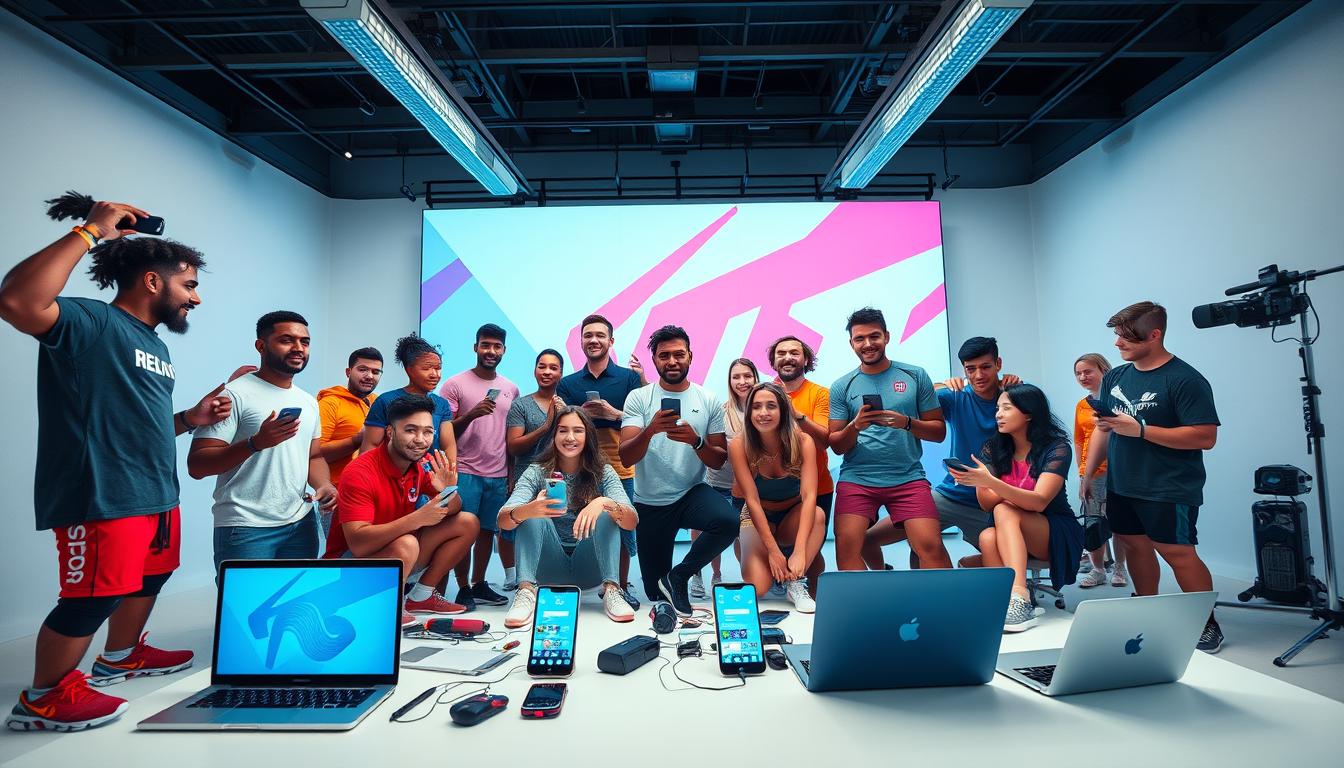
Welcome to the big leagues, where jersey sales depend on TikTok trends. Stadium chants start as Twitter hashtags. The sports industry is expected to hit $680 billion by 2028. It’s not just about tickets – it’s about turning scrolls into loyalty.
Remember when virtual watch parties replaced packed bleachers? Teams that adapted didn’t just survive the pandemic. They built digital dynasties.
The Chicago Blackhawks’ #WhatsYourGoal campaign reached 46 million people. It mixed athlete grit with fan dreams. FC Barcelona’s Instagram Reels got millions of views, like Messi’s goals. These show that sports brand marketing strategies need less jargon and more energy.
Why does a 15-second clip of a rookie’s dance routine beat corporate statements? Fans want authenticity over ads, to participate, not just read. The strategy is clear: use a selfie stick, let fans help tell the story.
Want to know why your next big moment might be a challenge coin? Let’s explore how social media marketing sports experts are changing fan engagement. They’re doing it one highlight at a time, for the algorithms.
Why Social Media Matters in Sports
Sports marketing has changed a lot. It’s not just about billboards anymore. It’s about using social media to connect with fans in new ways. The digital marketing sports industry has turned sports into a global conversation.
The NBA has 18 social media accounts for different regions. These accounts have helped the NBA grow a lot. Formula 1 fans also love to talk about the sport online, making it a big topic of discussion.
Press conferences are old news. Now, athletes share their lives with fans through videos. The Lakers’ “Day in the Life” series is a big hit, showing fans want real stories.
Norwich City FC’s mental health campaign is a great example. It shows how sports can talk about important issues. Fans love to discuss these topics online, making social media a place for real conversations.
Here are three key points:
- Gen Z watches sports content for 4.1 hours a day, mostly online.
- 70% of fans find new teams through social media.
- Highlights on social media are 3x more effective than ads.
Social media has changed sports marketing. Teams are always sharing stories. Athletes are influencers, and fans are part of the conversation. It’s a new era in sports, and it’s exciting.
Winning Platform-by-Platform Strategies
Think of social networks like an all-star roster – each platform demands its own playbook. The Rams didn’t win Super Bowl LVI by running Hail Marys on TikTok (though their 280M digital high-fives prove they understood the assignment). Let’s break down how to turn every platform into your MVP.
Reels aren’t just dance tutorials – they’re golden tickets to locker room access. The WNBA cracked this code, using athlete-driven short-form video sports content to rack up 157M views. Pro tip: vertical video of pre-game rituals outperforms polished ads 3-to-1. Why? Authenticity beats production value when you’re this close to the action.
Twitter/X: Trash Talk Central
This is where fandom becomes bloodsport. Chelsea FC’s #PrideOfLondon campaign turned rivalries into trending topics by weaponizing two things Brits love: football and sarcasm. Real-time stats + meme-ready reactions = engagement that moves faster than a Mbappé counterattack.
| Platform | Content Sweet Spot | Engagement Hack | Sports Example |
|---|---|---|---|
| TikTok | Behind-the-scenes drills | Hashtag challenges | Rams’ Super Bowl LVI campaign |
| Player mic’d up moments | Polls in Stories | WNBA athlete content | |
| Twitter/X | Live game commentary | Fandom-specific sports hashtags | Chelsea FC’s rivalry posts |
| Front office insights | Data-driven articles | Avoid like bad turf shoes |
TikTok: Where Plays Become Trends
Forget Gen Z stereotypes – this is where sports narratives get remixed. The key? Soundtrack your content like it’s scoring the winning goal. Teams using trending audio see 4x more fan-created content. Pro move: stitch fan reactions into official posts to create infinite feedback loops.
LinkedIn deserves its own red card here. Unless you’re explaining salary cap loopholes to GMs, keep your sports marketing efforts off this corporate benchwarmer. Your highlight reel belongs where the cheers are loudest – not where people pretend to care about EBITDA.
Influencers and Brand Ambassadors
David Beckham’s Instagram stories have sold more MLS jerseys than any ad in Times Square. This shows how sports influencer marketing has changed the game. Athletes are now not just endorsing products, but becoming the product itself.
Carlos Sainz’s partnership with Ferrari is a great example. His race day stories get more attention than Ferrari’s official channels. Authenticity wins over scripted ads every time.
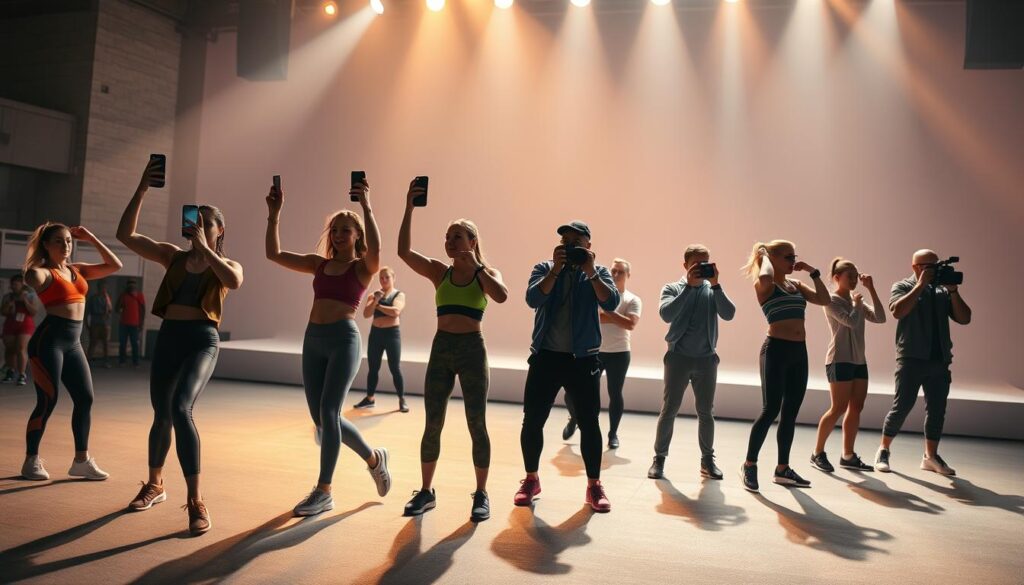
Caitlin Clark of the WNBA shows you don’t need a big team to be a big influencer. With 2.9 million followers, she shares her life and skills, turning personal branding into a sport. The Atlanta Braves also got fans to create content, showing that even micro-influencers can outshine celebrities.
LeBron James’ Twitter is like a marketing team with better highlights. His emoji tweets get more attention than most press releases. A-list athletes have more influence than Madison Avenue’s best efforts.
The truth is, sports influencer marketing works because fans want unfiltered content, not polished ads. A Braves fan’s victory dance at Truist Park is more convincing than any banner. Brands that let their ambassadors stay true win big.
Real-Time Content and Event Coverage
Sports fans want updates as fast as a Tesla Ludicrous Mode. Missing a beat means being buried under memes. Smart brands turn live moments into cultural hits.
The New York Yankees live-tweet scores during games. It’s not just play-by-plays, but dopamine hits for fans. The 2024 Olympics got 1.1 billion social engagements with raw, unfiltered moments.
Simone Biles’ vault replays at 12x speed were a hit. Skateboarders’ TikTok reactions during the competition were also a big deal. The PGA Masters turned golf into must-see TV with live Reddit AMAs.
The Modern War Room: More Than Cold Pizza
Today’s crisis management war rooms are different. They need:
- AI sentiment trackers for viral moments
- Multi-platform dashboards (TikTok trends ≠ LinkedIn analysis)
- Content “first responders” ready to meme-ify key plays
| Platform | Real-Time Strategy | Engagement Boost | Brand Example |
|---|---|---|---|
| Twitter/X | Live score graphics | 63% faster shares | New York Yankees |
| Player AMAs | 4.2M live upvotes | PGA Masters | |
| AR filter challenges | 89% story completion | 2024 Olympics |
If your event coverage is old-school, you’re missing out. The playbook has changed. Real-time means real-time, not after approval.
Viral Campaign Tactics
Virality in sports marketing is not a coincidence. It’s a well-thought-out plan that considers fan psychology. The Chicago Blackhawks’ #WhatsYourGoal campaign, for example, aimed for 24 million engagements. Norwich City’s mental health video hit 62 million views.
These were not accidental successes. They were carefully planned to make fans spread the word.
- Bragging Rights > Brand Logos: Fans love to share content that makes them look good. The Blackhawks’ campaign let fans share their goals alongside the players’, making the hashtag a symbol of pride.
- Emotional Time Bombs: Norwich City’s mental health ad was powerful because it hurt before it healed. It told a raw story that made people want to talk about it.
- Meme-Ready Framing: Viral social media campaigns for sports brands need to be simple. If your message can’t handle a TikTok stitch or Twitter roast, it’s already outdated.
When campaigns become cultural icons, that’s when the magic happens. #WhatsYourGoal became more than hockey—it became a symbol of personal drive. Norwich’s video went beyond soccer, sparking a global mental health discussion. That’s how you turn sports hashtags into movements.
Here’s a tip: Make your campaign like a blockbuster movie trailer. Grab attention in 3 seconds. Offer a payoff worth sharing. And leave room for fan edits. Because in 2024, if your content isn’t being remixed, did it even happen?
Monitoring and Analytics
Tracking social metrics without analytics is like coaching blindfolded during the Super Bowl – you’ll fumble every play. In today’s data-driven sports marketing world, teams that ignore real-time insights might as well forfeit the game. Take Manchester United: their social listening tools intercepted 640,000 toxic posts last season. That’s not just damage control – it’s brand safety executed like a championship defensive line.
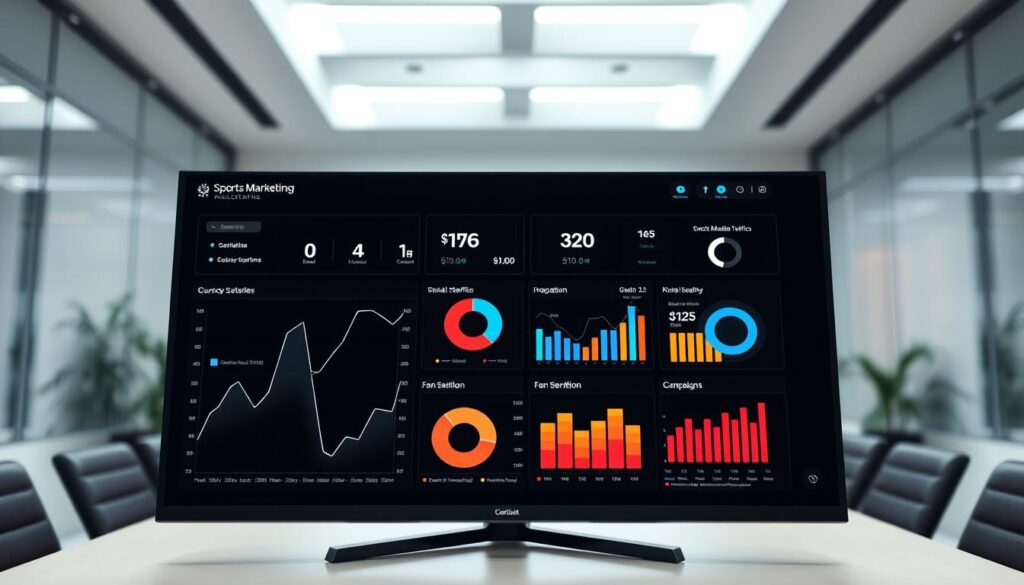
Let’s break down the scoreboard. Sprinklr’s AI-powered platform boosted lead conversions by 50% for sports apparel brands through sports apps consumer engagement tracking. How? By analyzing which Instagram Stories made fans swipe up versus scroll past. Here’s the kicker:
| Platform | Key Metric | Revenue Impact |
|---|---|---|
| Reddit Pro (MLB) | AMA participation rate | +37% merch sales |
| Sprinklr | Story conversion rate | 50% lead boost |
| MU Social Shield | Toxic post detection | 92% brand safety |
The MLB’s Reddit Pro dashboard turned casual AMA participants into paying customers – imagine converting meme comments into ticket sales. That’s Moneyball-level analytics for the digital age. Teams now need more data scientists than cheerleaders, crunching numbers like Tom Brady studies playbooks.
Here’s your game plan: track sentiment spikes during live events, monitor sports apps consumer engagement patterns, and deploy crisis alerts faster than a goalie’s reflex save. Remember – every viral tweet or toxic comment is data waiting to be intercepted. The real victory? Turning those insights into plays that keep fans cheering (and spending).
Social Media Crisis Management
When a player’s tweet goes wrong, your crisis plan is key. 73% of sports fans want brands to act fast, within 4 hours. If you don’t, you lose followers and trust.
Manchester United cut down on bad fan comments by 40%. They did it with three steps:
- Pre-emptive coaching: Teaching players about digital behavior
- Real-time defense: Using AI and humans to check comments
- Post-whistle review: Checking fan feelings twice a month
The NFL turned PR problems into wins. Like the anthem controversy? They used it to start community talks. This helped their brand grow.
Crisis Response Benchmarks: Major Leagues Compared
| League | Avg. Response Time | Fan Sentiment Recovery | Brand Impact |
|---|---|---|---|
| NFL | 2.1 hours | 94% positive | +18% engagement |
| Premier League | 3.8 hours | 82% positive | +12% engagement |
| NBA | 1.9 hours | 89% positive | +22% merch sales |
Your crisis plan needs many layers. Start with these steps:
- Make plans for different crisis levels
- Have ready responses that feel personal
- Teach social teams how to calm down conflicts
For new sports marketers, remember: Crises are extra time. Handle them well, and you’ll turn critics into fans fast.
Brand Partnerships
Let’s cut through the sponsorship noise – today’s sports sponsorship marketing online isn’t just about logos on billboards. It’s a strategic dance between data experts and creative minds. When Adidas hosted Reddit AMAs with WNBA stars during last year’s playoffs, they did more than sell sneakers. They created a 24/7 focus group where fans literally wrote the playbook for future campaigns.
Reddit’s sports communities grew 35% last year – a goldmine for brands that listen. The magic happens when you mix grassroots engagement with programmatic advertising sports strategies. NASCAR’s recent success shows this. They used AI to target fans watching cooking streams and DIY tutorials. This was because data showed these viewers were 3x more likely to buy merch.
| Approach | Engagement Style | ROI Measurement | Brand Example |
|---|---|---|---|
| Traditional Sponsorship | Logo visibility | Impression counts | Stadium banners |
| Modern Partnership | Co-created content | Conversions per meme | Adidas WNBA AMAs |
| Programmatic Play | AI audience targeting | Cost per obsessed fan | NASCAR’s algorithm blitz |
Three rules for modern sports partnerships:
- Treat fans as co-creators, not just consumers
- Bake data into every handshake deal
- Measure success in cultural impact, not just clicks
The new playbook? It’s part Moneyball, part Mad Men. While traditional sponsors chase prime-time slots, smart brands bet on Reddit threads and Twitch streams. After all, would you prefer your logo seen by millions or your meme shared by thousands of superfans?
Conclusion
The final whistle has blown, but the game is far from over. Social media marketing in sports has become a whole new ball game. Now, LeBron’s tweets can outshine halftime shows, and Messi’s Instagram stories can compete with championship games.
Sprinklr’s AI tools have already seen a 50% increase in engagement when used with live games. Just think of what VR tailgates and AI-generated highlight reels will bring by 2025.
Sports marketing is no longer just about going viral. It’s about creating digital spaces where fans can engage deeply. They can vote in polls, get exclusive access to NFTs, and relive plays in augmented reality.
The Patriots’ TikTok drills and the Cowboys’ Snapchat sessions are the new preseason. It’s all about giving fans a front-row seat to the action.
What makes a brand a champion? It’s using data to create campaigns that feel like a touchdown. Post-Super Bowl analysis shows that combining real-time stats with humor can build lasting loyalty.
The real win is turning viewers into co-creators who proudly wear your brand’s jersey. It’s about building a community that lasts long after the game is over.
As augmented reality ads and ChatGPT take over, one thing is clear: sports fandom is all about shared excitement. Brands that use FOMO to their advantage and build lasting communities are setting the stage for the future of digital sports.